In a rapidly changing academic and professional world, students increasingly recognize the value of more than just good grades. They want skills, connections, and tangible credentials that show they are ready for real-world challenges. That’s where the Society for Collegiate Leadership & Achievement (SCLA) comes in — offering a comprehensive program designed to help ambitious students stand out and thrive. In this article, we explore how the scla reviews Links to an external site. program works, what makes it different, and whether it might be the right investment for you.
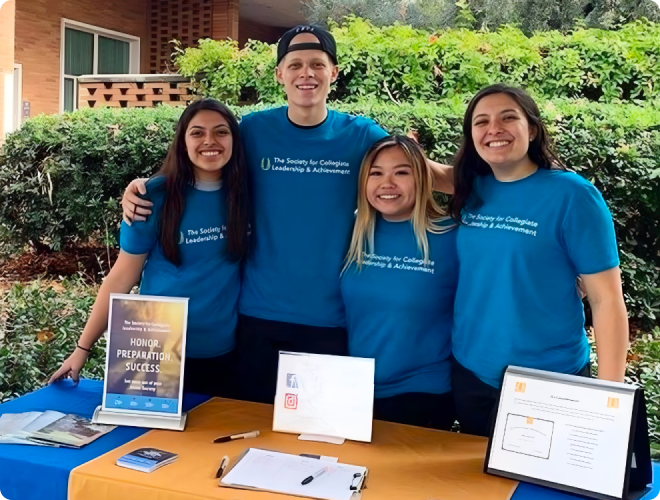
What is SCLA?
The SCLA is an independent, multidisciplinary honor society that seeks to bridge the gap between academic achievement and career readiness. Its mission is to “empower you to build a career that matters.” Rather than focusing solely on GPA, SCLA emphasizes leadership potential, real-world skills, and holistic development — encouraging members to develop not just academically, but professionally and personally.
Membership in SCLA gives access to a structured program of skill-building, mentorship, credentialing, and networking. According to the SCLA website, the program begins with a “Career Readiness Certification,” then expands to include micro-courses, custom learning paths, and opportunities to earn certifications and college credit.
How the Program Works: From Certification to Career Readiness
The SCLA program is built around a clear progression:
- Career Readiness Certification: This foundational step equips students with essential career skills valued by employers. Upon completion, members may even earn college credit — at no extra cost.
- Skill Development and Micro-Courses: Through bite-sized, accessible learning modules, members develop skills in leadership, communication, teamwork, financial literacy, and more — all areas that translate directly into workplace readiness.
- Personalized Learning Paths & Progress Tracking: Using a dashboard, students can track their experience points (XP), monitor growth, and unlock advanced certifications.
- Mentorship, Networking & Real-World Opportunities: SCLA connects members with mentors, peers, internships, job boards, and career-building tools — aiming to provide more than just certificates, but real chances to grow professionally. t Links to an external site.
SCLA claims to be present on 600+ colleges nationwide, with tens of thousands of members.
Who Is Eligible — and What It Costs
Not every student qualifies. To join SCLA, candidates (undergraduate or graduate) must be enrolled at an accredited institution, meet certain credit-hour requirements, and maintain a minimum GPA. For undergraduates, the GPA threshold is typically around 3.0; for graduate students, around 3.4.
SCLA’s lifetime membership requires a one-time fee — reportedly US $95.
What SCLA Offers: Benefits Beyond the Classroom
SCLA markets itself as more than an honor society — as a bridge to professional success. Some of the touted benefits include:
- Credentials and certification that signal readiness beyond academics.
- Networking opportunities, mentorship, and access to internship/job-posting platforms.
- Flexible, online-friendly structure that works even for non-traditional or busy students.
- Recognition of leadership, soft skills, and personal growth — a boost for résumés and early-career applicants.
On the official SCLA site, there’s even a recent blog post arguing that membership “signals initiative and commitment,” and that employers increasingly value leadership, communication, and adaptability — the kinds of traits SCLA emphasizes.
What People Are Saying — A Balanced Look at SCLA Reviews
As with many honor societies or career-readiness programs, feedback on SCLA is mixed. Some members find value in the certifications, skill-building modules, and networking. Others question whether the benefits justify the membership fee or whether the recognition carries much weight beyond a résumé line.
Notably:
- On certain student forums, some users described the value as limited: one comment warned the program “may NOT be worth it for you,” despite acknowledging it wasn’t a scam.
- Others reported that, after paying, the promised opportunities — internships, job lists, or mentorship — did not materialize, or felt underwhelming compared to expectations.
- Some questioned how widely recognized SCLA is among employers and academic institutions.
Still, many students appreciate SCLA for what it is: a structured, optional pathway to develop skills and signal ambition. For certain people — particularly those lacking other leadership credentials or extracurricular involvement — it may be a useful springboard.
Is SCLA Right for You?
Deciding whether to join SCLA is ultimately a personal choice — based on your academic standing, career goals, and what you hope to gain. Here are some guiding questions to consider:
- Are you already building leadership, internships, or extracurriculars on your own? If so, the marginal benefit of SCLA may be lower.
- Do you want a structured, self-guided program to help build tangible skills and credentials? If yes, SCLA’s micro-courses and certification paths might be helpful.
- Are you seeking networking, mentorship, or career pathways that you don’t currently have? For some students, SCLA’s network and resources may open doors.
- Are you willing to pay the membership fee for uncertain returns? At US $95, SCLA isn’t negligible in cost.
Final Thoughts
The Society for Collegiate Leadership & Achievement can be a meaningful opportunity — especially for students eager to build more than just grades. Its focus on career readiness, holistic skill development, and networking positions it as more than a traditional honor society.
That said — like many similar organizations — SCLA is not a magic bullet. Its value depends heavily on how much effort you put in, whether you leverage its resources, and how realistic your expectations are.
If you’re a student looking for structure, a credentials boost, or extra support navigating college-to-career transition, SCLA may be worth exploring. But if you rely solely on membership and expect guaranteed career outcomes, you may want to weigh your options carefully.
Whether you decide to join or not — taking control of your growth, sharpening soft skills, and building real-world experience will always remain valuable.


 icons at the top right corner of the subsection.